
Ice Dam Roof Problems in Trenton and Quinte West
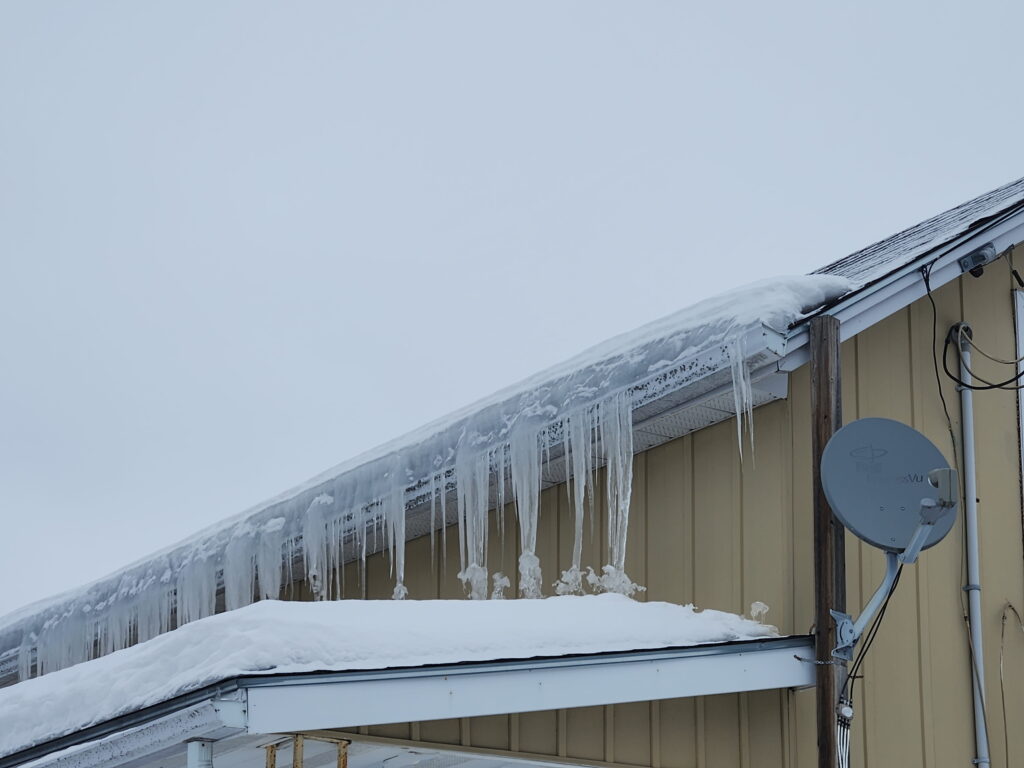
Ice Dam Roof Problems in Trenton and Quinte West Over the past few weeks, after the heavy snowstorm in Trenton, Belleville, and Quinte West, we’ve seen a significant increase in ice dam roof problems in Trenton on residential homes. Large icicles hanging from eaves may look harmless — but they are often a warning sign of a much bigger issue. Ice dams can cause roof leaks, ceiling damage, insulation problems, and costly repairs if not addressed properly. Here’s what homeowners in our area need to know. What Causes Ice Dams on Roofs in Trenton? An ice dam forms when: Snow accumulates on your roof Heat from the attic melts the snow Melted water runs down the roof The water refreezes at the colder roof edge Ice builds up and traps additional melting water behind it When this trapped water backs up under shingles, it can leak into your home. This is when we start seeing: Water stains on ceilings Peeling paint or drywall bubbling Wet insulation in the attic Mold risks developing Why Ice Dams Happen in Trenton & Belleville Many homes in our area — especially older homes — are vulnerable to ice dam formation. The main causes include: 1. Poor Attic Insulation If insulation levels are too low, heat escapes from the living space into the attic. That heat warms the roof deck, causing snow to melt unevenly. 2. Poor Attic Ventilation Without proper airflow, warm air becomes trapped in the attic, increasing roof surface temperatures and accelerating melt/freeze cycles. 3. Air Leaks in the Ceiling Pot lights, attic hatches, plumbing penetrations, and poorly sealed areas allow warm air to escape into the attic. 4. Uneven Roof Temperatures When the upper roof is warm and the lower roof edge is cold, it creates the perfect conditions for ice dams to form. Warning Signs of an Ice Dam Problem If you notice any of the following, your roof may be at risk: Large icicles hanging from gutters Thick ice buildup along roof edges Ice forming behind gutters Water staining on interior ceilings Damp attic insulation Leaks after snow begins melting Ignoring these signs can lead to drywall damage, insulation replacement, and even structural rot. How to Prevent Ice Dams on Your Roof Preventing ice dams requires addressing the root cause — not just removing the ice. Improve Attic Insulation Ensuring proper insulation levels helps keep heat inside your home and prevents uneven roof melting. Upgrade Ventilation Proper soffit and ridge ventilation allows cold air to flow through the attic, keeping the roof surface temperature consistent. Seal Air Leaks Sealing gaps around attic access points, electrical penetrations, and top plates reduces heat transfer into the attic. Ice & Water Membrane: Why It Matters One of the most important protective measures during a roof replacement is the installation of an ice and water membrane (also known as ice & water shield). This waterproof membrane is installed along: Roof eaves Valleys Vulnerable transition areas If water backs up under shingles, the membrane provides a secondary waterproof barrier that protects the roof deck and interior of the home. Safe Snow Removal Removing excess snow buildup carefully can reduce risk — but chipping at ice can damage shingles and should be avoided. Proper Roof Design Matters Roof slope, overhang size, and ventilation layout all affect ice dam formation. During roof replacement, we assess these factors to reduce long-term risk. Roof Replacement & Ice Dam Protection If your roof has experienced repeated ice dam damage, it may be time to consider replacement. At Comfort Property, we install: Asphalt shingle roofing systems Metal roofing systems Proper underlayment and waterproof membranes Ice & water shield protection at eaves and valleys Proper flashing and ventilation upgrades Drywall Repair Service Whether you choose asphalt or metal, correct installation and ventilation design are critical to long-term performance in Ontario winters. Interior Damage from Ice Dams Ice dams don’t just affect the roof. We also regularly repair: Ceiling drywall damage Water-stained drywall Insulation replacement Interior finishing repairs If you’ve noticed water marks after the recent snowstorm, it’s important to investigate early before mold or structural damage develops. Serving Trenton, Belleville & Quinte West If you’re seeing heavy ice buildup or interior water damage, don’t wait until the next thaw cycle. Comfort Property provides: Roof inspections Ice dam damage assessments Asphalt and metal roof replacement Attic ventilation improvements Drywall repair services Free Roof & Ice Dam Inspection If you’ve experienced ice dam roof problems in Trenton this winter, we offer on-site inspections to assess: Roof condition Ice & water membrane protection Attic insulation and ventilation Interior damage Early action can prevent major repairs. 📞 Call: 613-827-5263📍 Serving Trenton, Belleville & Quinte West
5 Signs That Your Trenton Asphalt Shingles Needs Attention
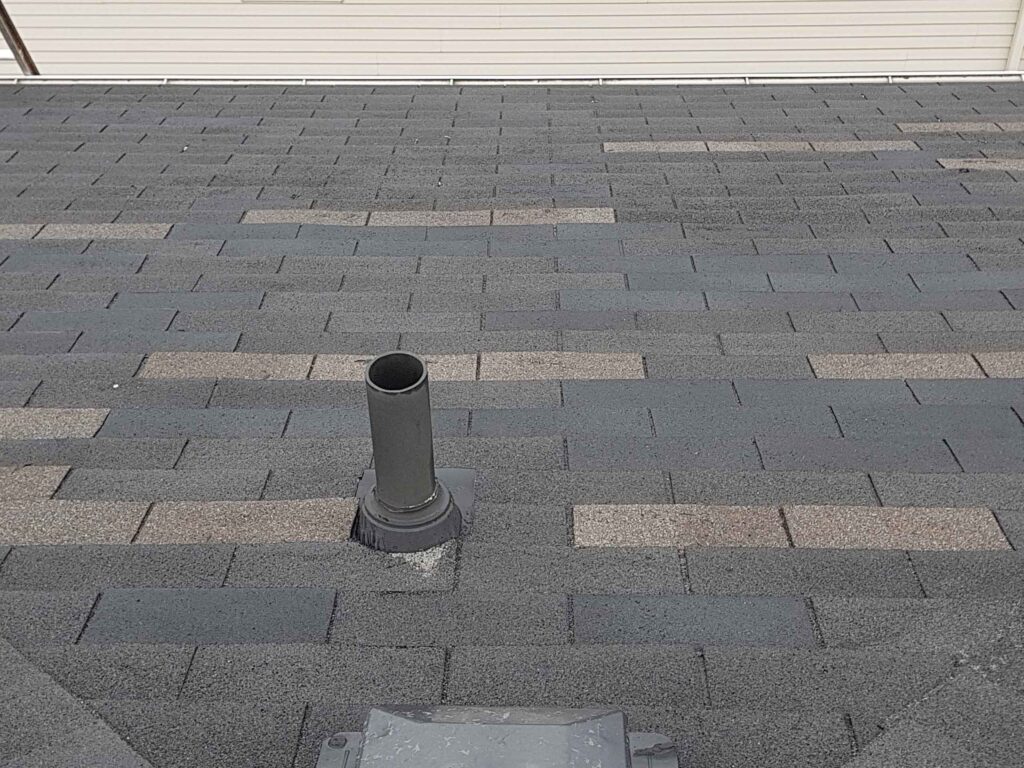
Asphalt shingle roofs rarely fail all at once. Most of the time, they show warning signs long before water starts coming inside — but those signs are easy to miss if you don’t know what to look for. In Trenton, many homes and cottages have aging asphalt shingle roofs that are reaching the later years of their lifespan. Spotting problems early can help prevent interior damage and give homeowners time to plan next steps. Below are five common signs your asphalt shingle roof may need attention. 1️⃣ Sections of New Shingles Mixed With Older Ones One of the clearest warning signs is when part of the roof has been repaired while the rest remains original. In the photo shown, a section of the roof has new shingles installed next to much older shingles. This usually means: Leaks were repaired in one area The roof is aging unevenly Other sections may soon start failing While spot repairs can help temporarily, mixed shingle ages often indicate the roof is nearing the end of its service life. 2️⃣ Curling or Lifting Asphalt Shingles As asphalt shingles age, they can begin to curl or lift at the edges. This allows: Wind to get underneath Rain to penetrate the roof system Faster deterioration of surrounding shingles Curling shingles are a strong indicator that the roofing material is breaking down. 3️⃣ Granule Loss on Shingles Asphalt shingles are coated with protective granules that shield them from sun and weather. If you notice: Smooth or bare spots on shingles Granules collecting in gutters Shingles appearing darker or worn the roof may be losing its protective layer, increasing the risk of leaks. 4️⃣ Repeated Minor Leaks or Water Stains Water stains on ceilings or walls — even small ones — shouldn’t be ignored. Repeated leaks often suggest: Multiple weak points on the roof Aging materials rather than a single failure A roof that’s no longer shedding water effectively Over time, these leaks can lead to interior damage. 5️⃣ The Roof Is Simply Old Many asphalt shingle roofs installed 20–30 years ago are now past their expected lifespan. Even if leaks are occasional, age alone can mean: Reduced protection Increased maintenance needs Higher risk during heavy rain or wind At this stage, planning becomes just as important as repairing. What to Do If Your Roof Shows These Signs Not every situation requires immediate roof replacement — especially if renovations are being planned or timing isn’t right. In some situations, homeowners choose temporary roof protection to prevent further damage while planning long-term repairs. Protecting the Interior While Roof Issues Are Addressed Roof problems don’t just affect the exterior. Ongoing leaks can eventually lead to interior issues that require drywall repair near me once the roof is stabilized. Ceiling damage often appears first around fixtures or penetrations, leading to repairs similar to this ceiling drywall repair in Belleville. Roof Assessments and Temporary Protection in Trenton At Comfort Property, we help homeowners in Trenton assess aging asphalt shingle roofs and choose practical solutions — whether that means monitoring, temporary protection, or planning ahead. Addressing issues early can prevent emergencies and reduce the risk of costly interior repairs.
Trenton Cottage Roof Tarp Installation: Full Roof Protection While Planning Renovations
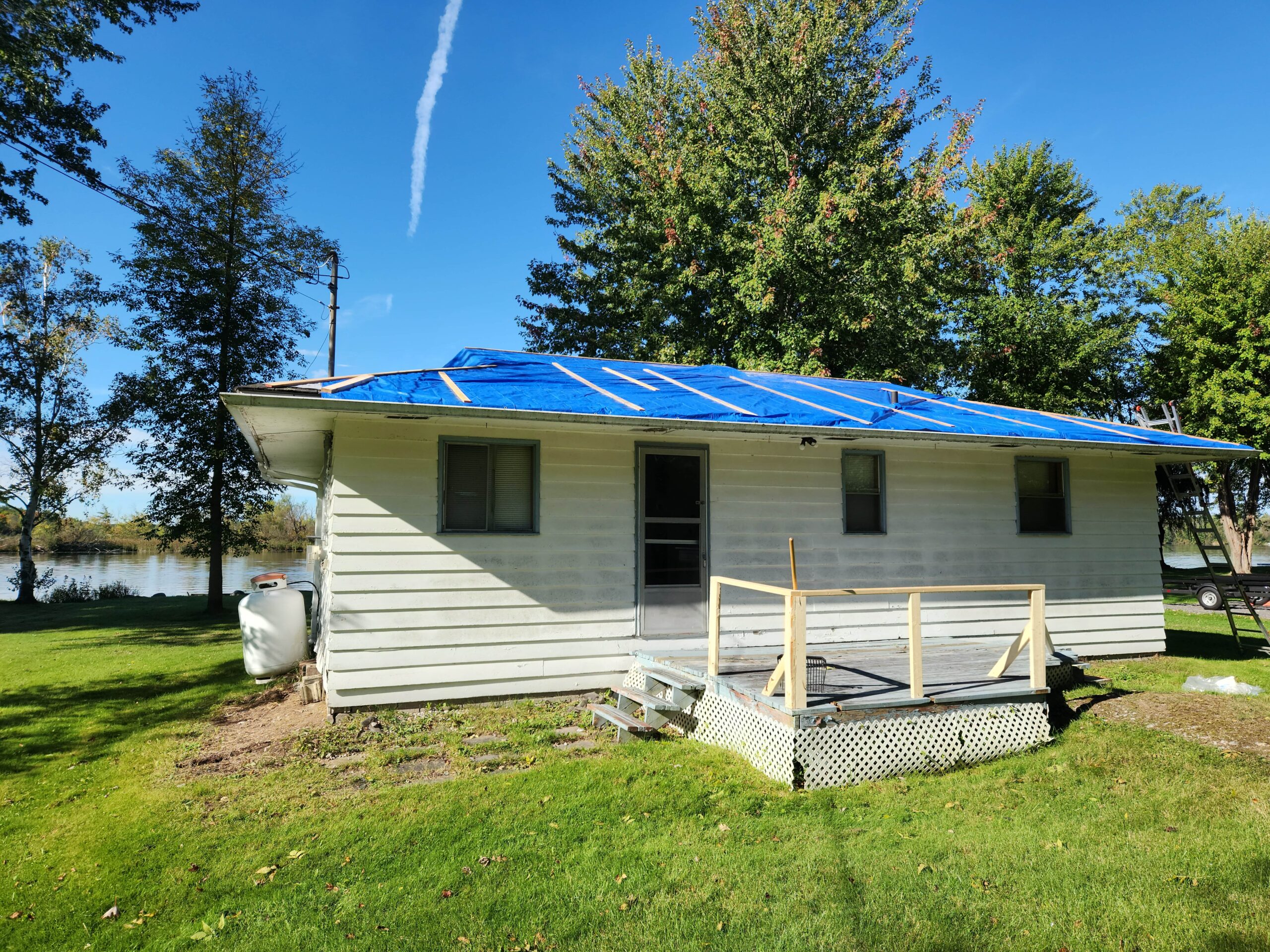
Older cottage roofs don’t always fail in obvious ways. Sometimes there’s no single missing shingle or visible hole — just an aging roof that has reached the end of its life and has started letting water in. For this Trenton cottage roof tarp installation, the homeowner was dealing with active leaks but wasn’t ready to replace the roof yet. With upcoming renovations still being planned, the priority was to protect the entire roof and prevent further damage in the meantime. The Situation: An Aging Cottage Roof With Active Leaks When we were called out, there was no clear, isolated source of the leak. The roof itself was simply old and due for replacement. This is a common situation with cottages and seasonal properties: Roofing materials degrade over time Leaks appear intermittently Water entry points aren’t always visible Full replacement may not align with renovation timing Rather than rushing into a roof replacement, the homeowner needed a temporary but reliable solution. Why We Tarped the Entire Roof In cases like this, spot repairs don’t make sense. For this cottage, the best option was to: Tarp the entire roof surface Create a continuous waterproof barrier Protect the structure while renovation plans were finalized A full roof tarp can prevent further water damage and buy valuable time — as long as it’s installed correctly. Securing the Roof Tarp Against Wind One of the biggest risks with roof tarps is wind. For this Trenton cottage, the tarp installation included: Full roof coverage Proper overlapping to shed water Strapping installed over the tarp to hold it firmly in place Secure fastening to prevent movement or lift Strapping the tarp is critical, especially on cottages that may be exposed to open wind or changing weather conditions. The Result: Reliable Temporary Protection With the tarp and strapping installed, the roof was fully protected from further water intrusion. While a tarp is not a permanent roofing solution, this approach allowed the homeowner to: Stop ongoing leaks Protect the interior of the cottage Plan renovations without added pressure The after photos show the roof fully covered and secured — a practical solution done properly. Roof Tarp Services for Cottages in Trenton Cottage properties often require flexible, short-term solutions while long-term plans are being made. A professionally installed roof tarp can protect your property and prevent costly interior damage. Roof leaks can often lead to interior damage that requires drywall repair near me once the issue is under control. At Comfort Property, we provide roof tarp installations in Trenton, including full-roof tarping for cottages and older homes. If you’re dealing with leaks but aren’t ready for a roof replacement, we’re happy to help you protect your property in the meantime