
Drywall repairs often look simple at first glance, but the difference between a repair that blends in and one that keeps showing comes down to preparation, technique, and patience.
Many homeowners attempt drywall repairs themselves, only to discover visible seams, flashing after painting, or cracks that return months later. Understanding what goes into a proper drywall repair can help you decide when a small fix is manageable — and when professional help makes sense.
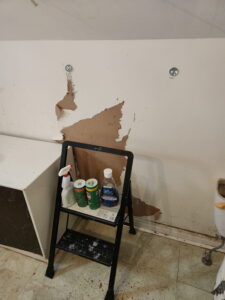
Why Some Drywall Repairs Always Show
A drywall repair that stands out is usually the result of shortcuts, not paint color.
Common causes include:
Repairs that aren’t feathered wide enough
Poor taping or rushed mudding
Skipping primer before painting
Not addressing movement, moisture, or structural issues
Paint doesn’t hide drywall problems — it highlights them.
What a Proper Drywall Repair Actually Involves
A clean drywall repair isn’t just filling a hole. It’s a process.
1️⃣ Fixing the Underlying Issue
Before any drywall is patched, the cause of the damage should be addressed. This might include:
Securing loose framing
Fixing leaks
Re-fastening drywall to prevent movement
Without this step, cracks often return.
2️⃣ Correct Taping and Mudding
Professional drywall repairs use:
Proper joint tape
Multiple coats of compound
Wide feathering to blend transitions
This is especially important on ceilings and flat walls where imperfections are easy to see.
3️⃣ Sanding and Surface Prep
Each coat must be sanded carefully to keep the surface flat. Rushed sanding often creates uneven spots that show under light.
4️⃣ Priming Before Painting
Drywall compound absorbs paint differently than finished drywall. Priming seals the repair so paint applies evenly and doesn’t “flash.”
In many cases, painting the entire wall is the only way to fully hide a repair.
When DIY Drywall Repair Makes Sense
Small repairs can sometimes be handled by homeowners, such as:
Tiny nail holes
Very minor dents
Non-structural cosmetic marks
These repairs are low risk and usually don’t involve ceilings or seams.
When to Call a Professional for Drywall Repair
Professional drywall repair is usually the better choice when:
The damage is on a ceiling
Water damage is involved
The repair is larger than a few inches
Cracks keep coming back
The repair needs to be invisible once painted
In these cases, experience makes a noticeable difference.
Drywall Repairs in Older Homes
Older homes often present additional challenges, including:
Framing movement over time
Previous patch attempts
Older drywall installation methods
Matching existing finishes and preventing future cracking requires careful preparation.
Professional Drywall Repair in Your Area
If you’re dealing with drywall damage and want a repair that blends in properly, professional help can save time and frustration.
For homeowners looking for drywall repair services in Trenton, Comfort Property provides clean, seamless repairs focused on long-term results.
We also offer drywall repair services in Quinte West for homeowners in surrounding areas who need reliable, professional repairs.
Final Takeaway
A proper drywall repair isn’t about speed — it’s about preparation and finish. Knowing what goes into the process helps you avoid repairs that crack, flash, or never quite disappear.
When in doubt, getting the repair done properly the first time usually costs less than fixing a poor patch later.